

Restbotanica, Katowice
RestaurantKatowice, Poland
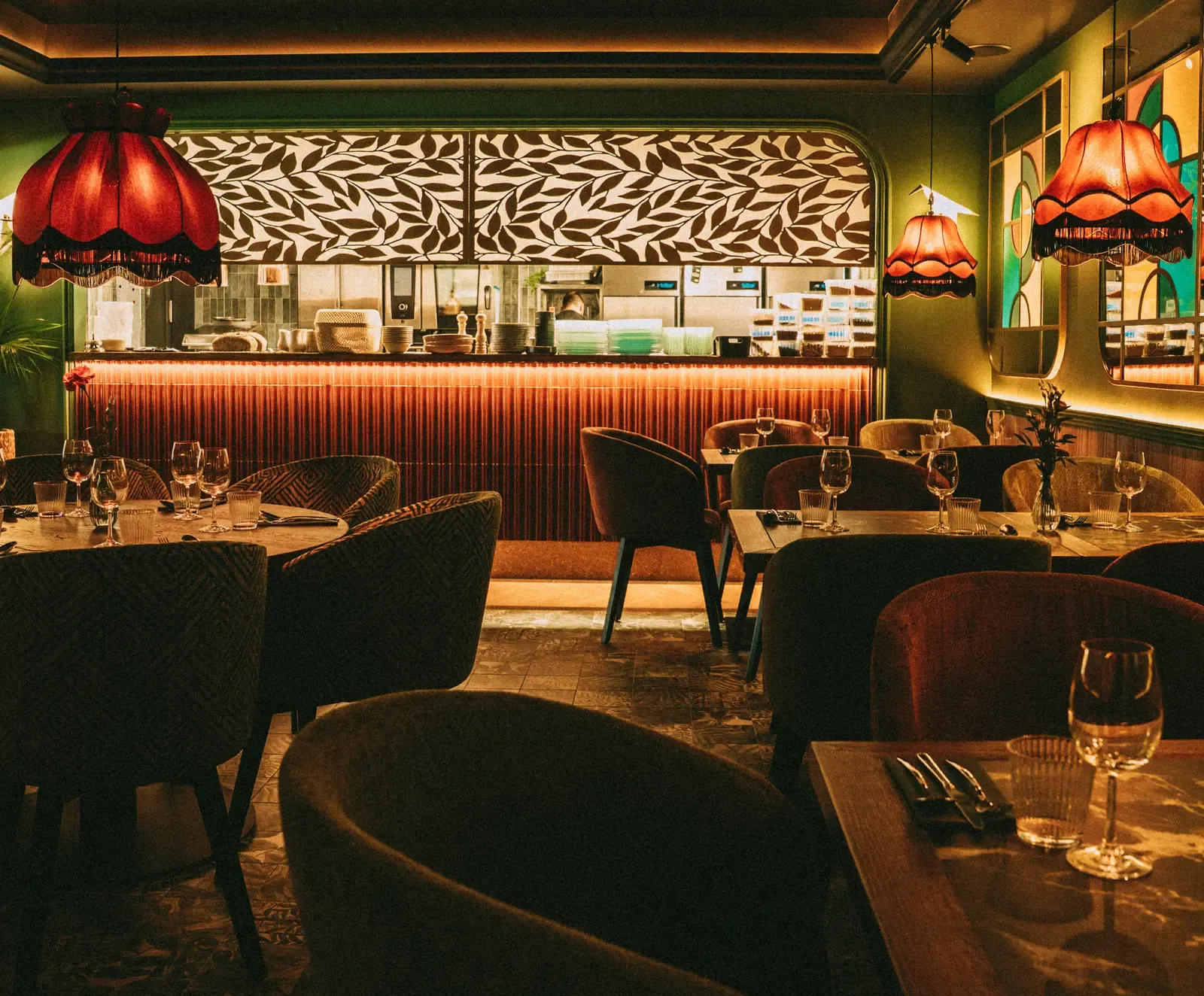
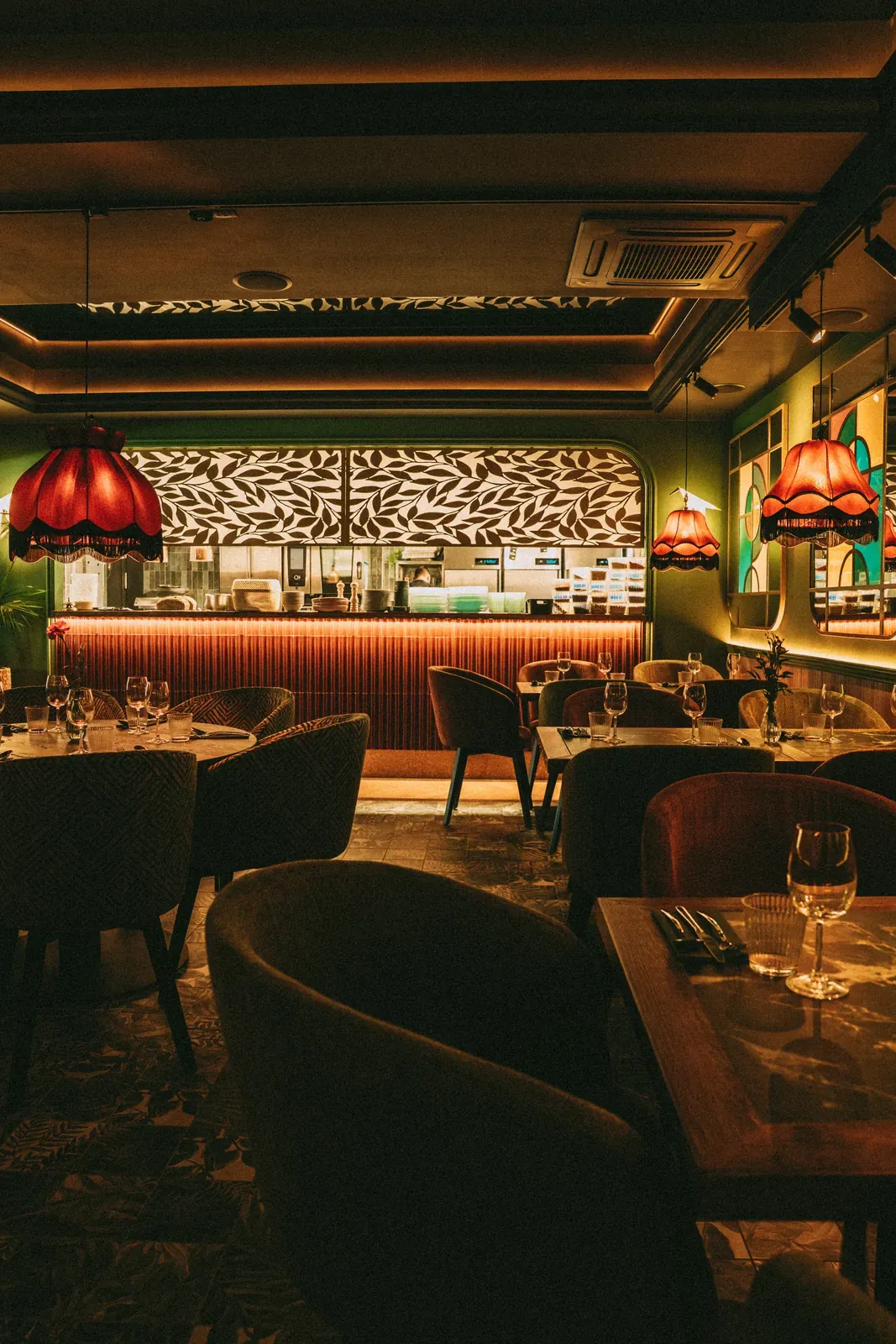
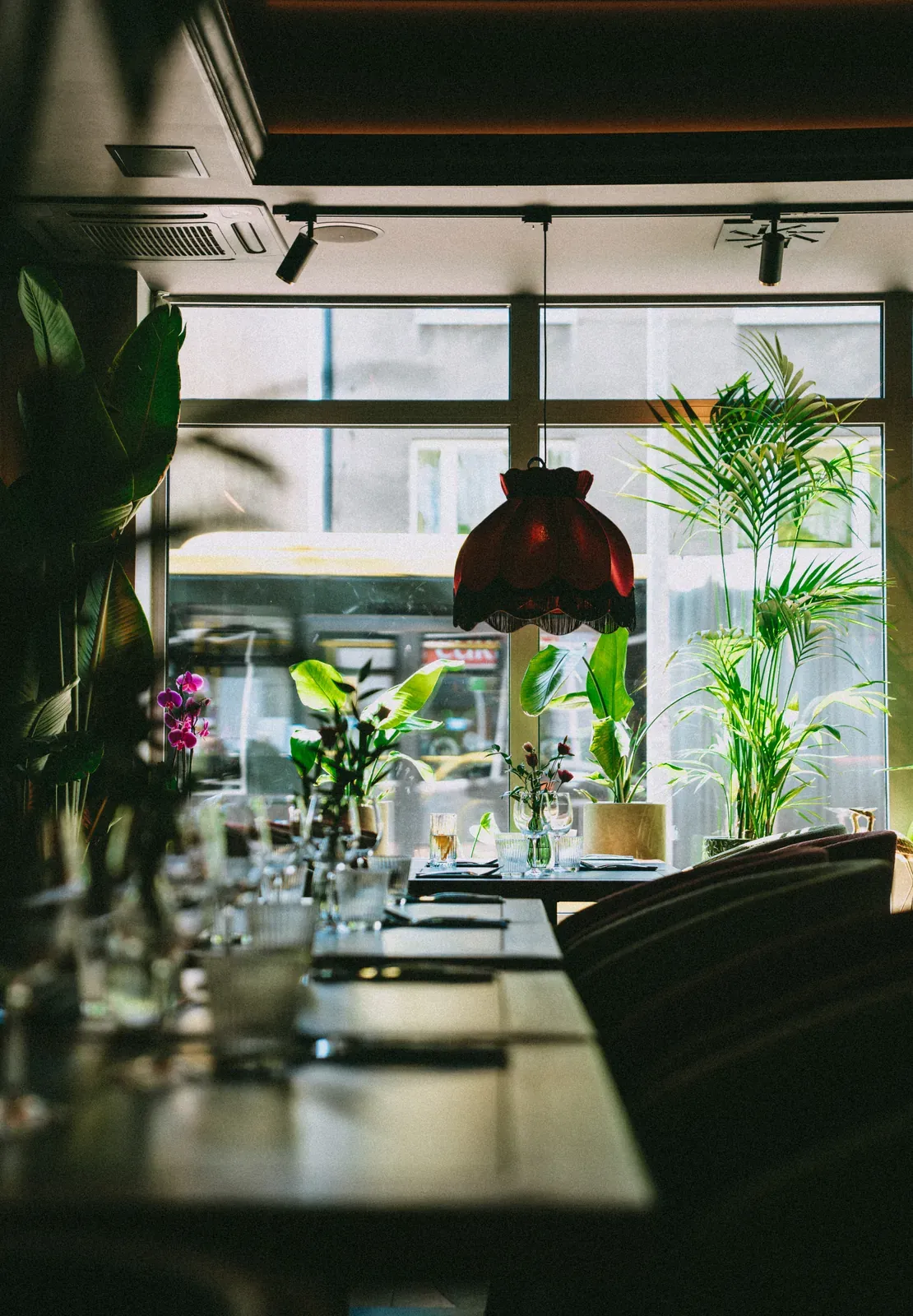
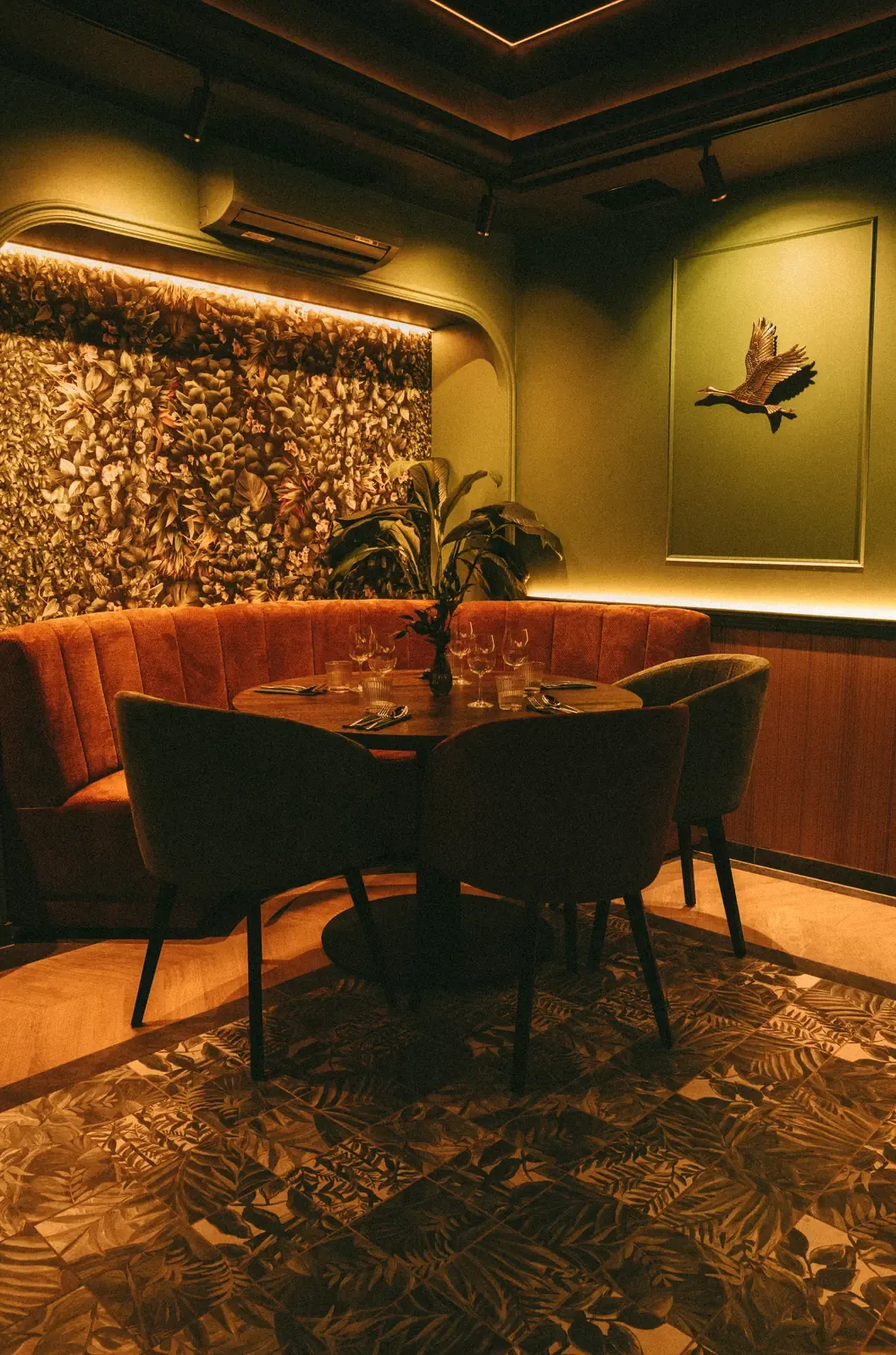
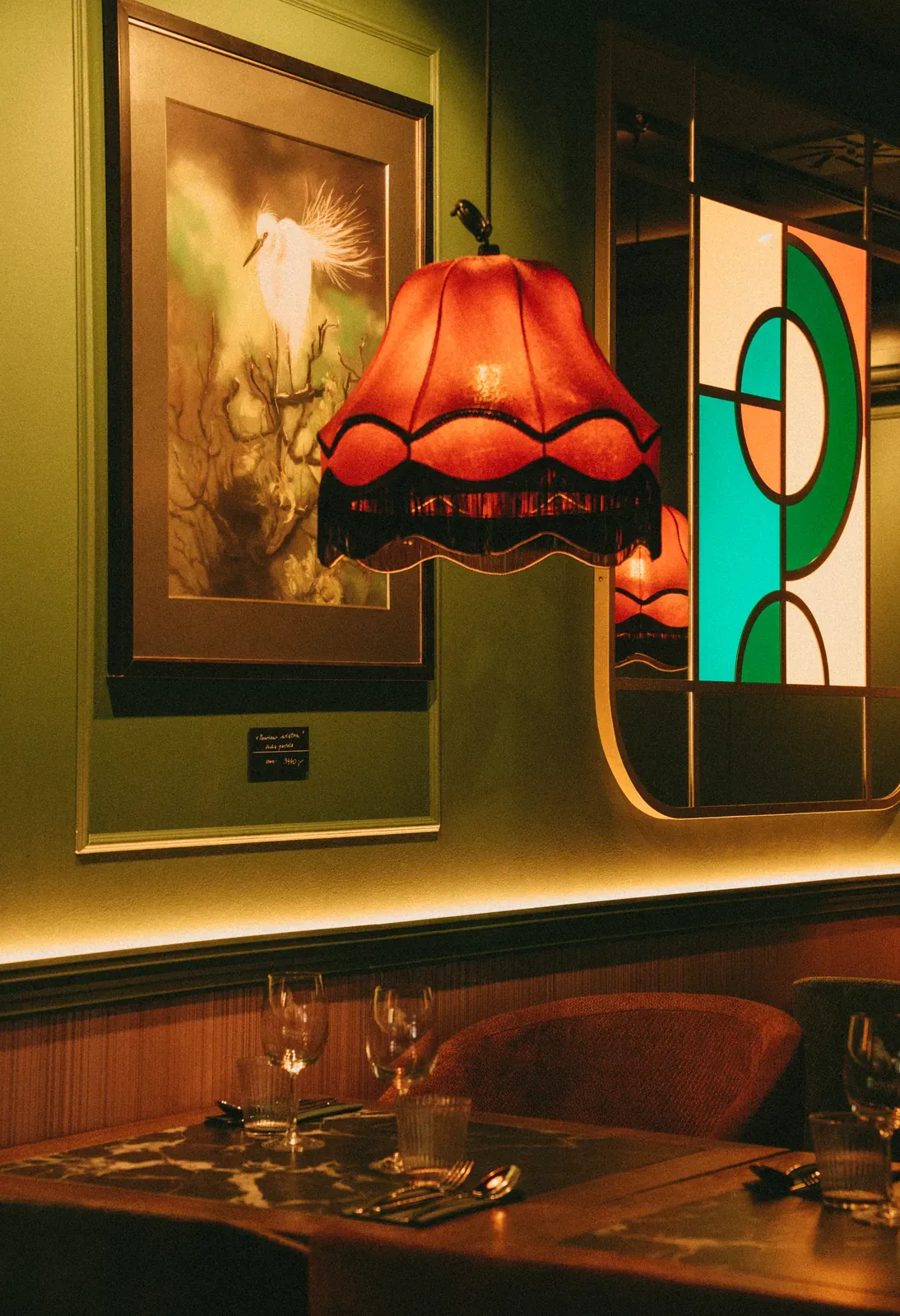
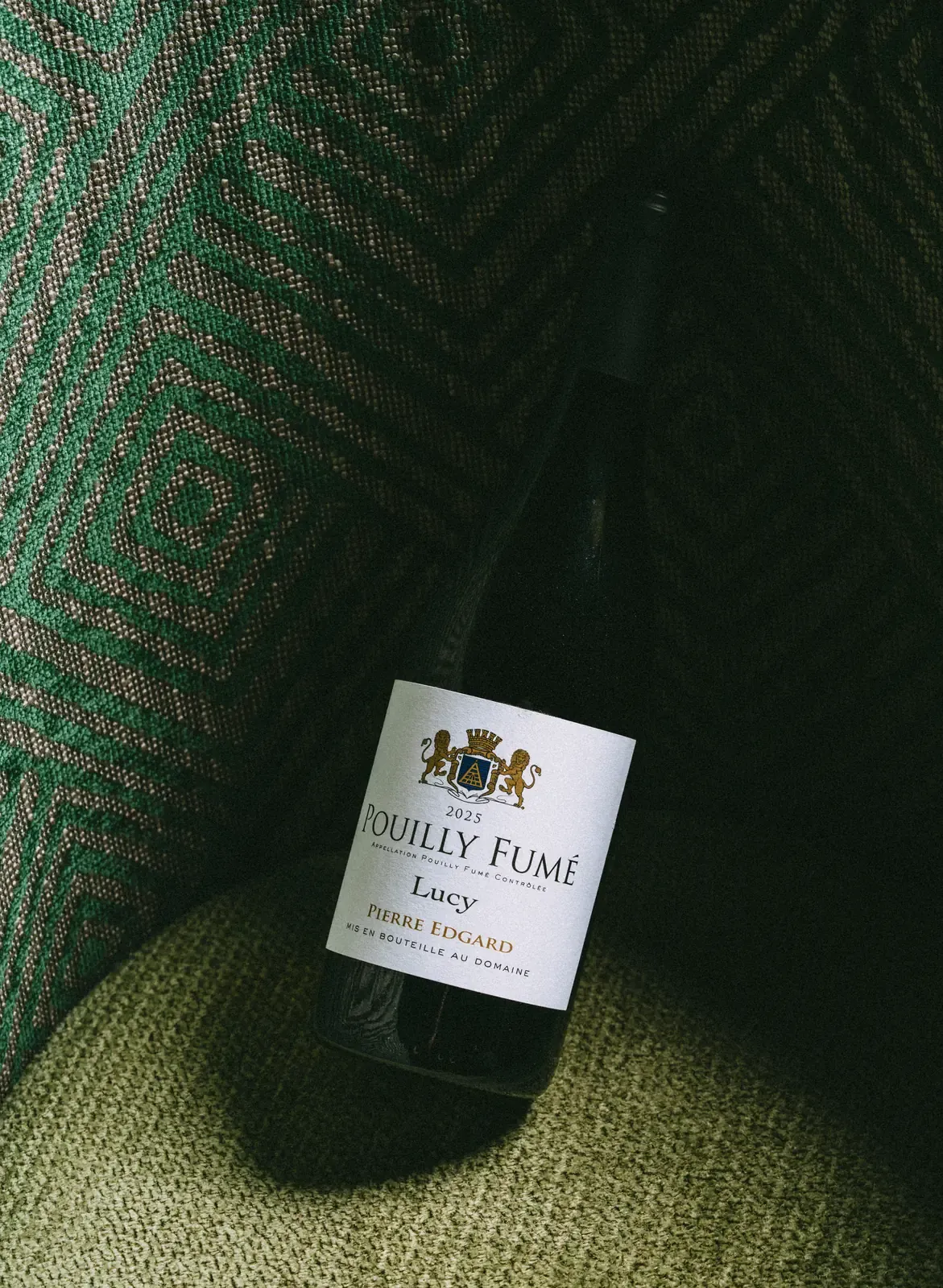
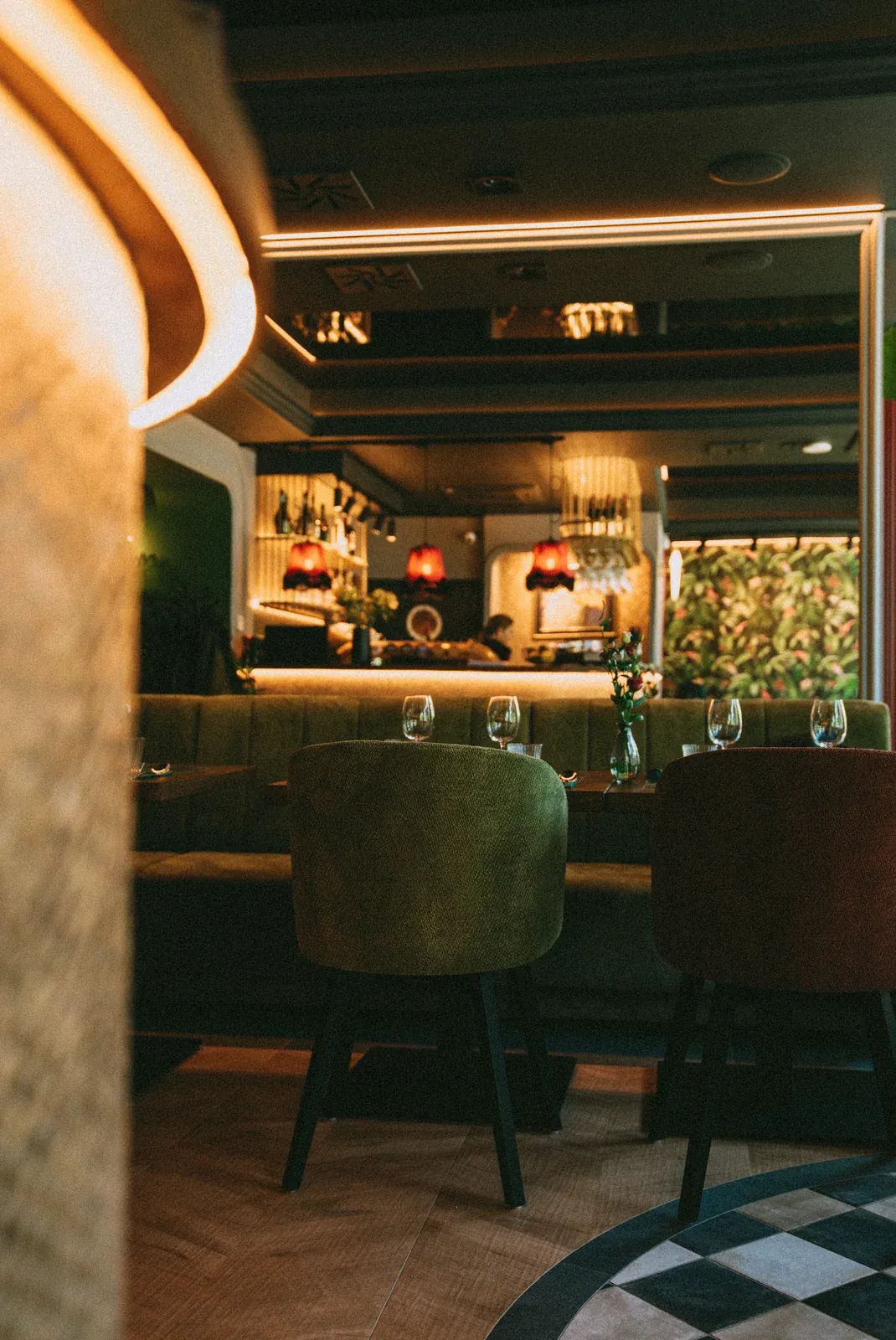
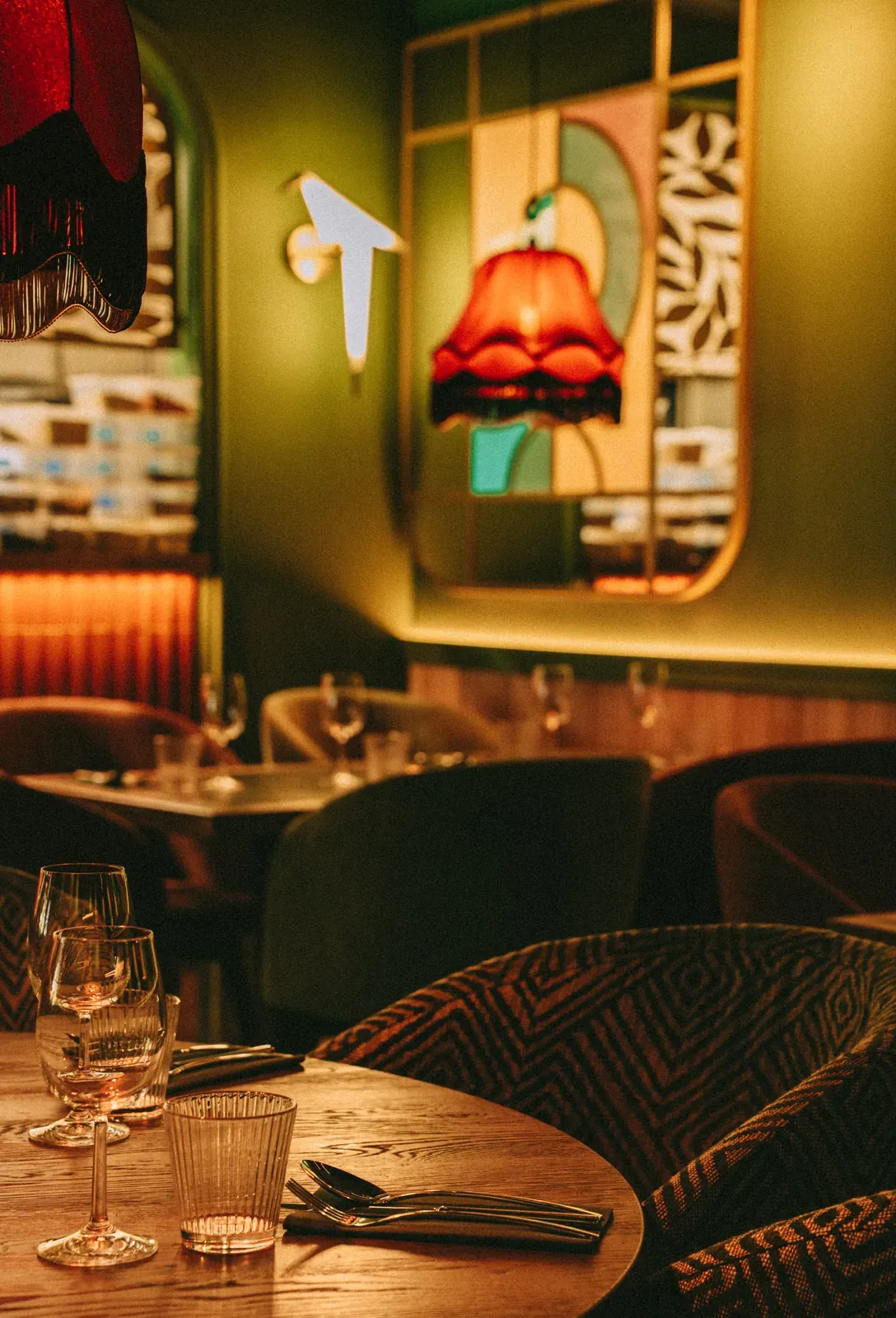
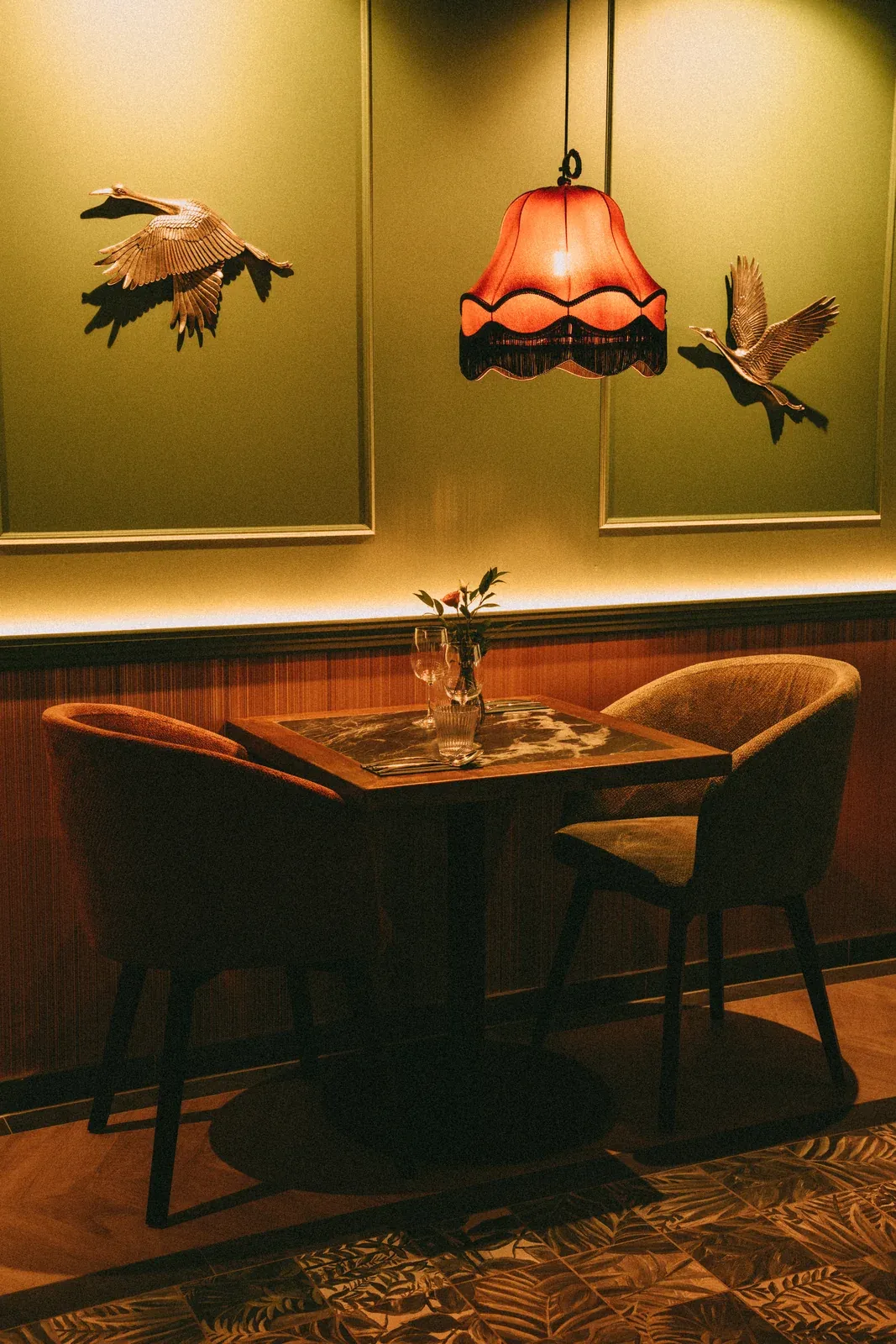
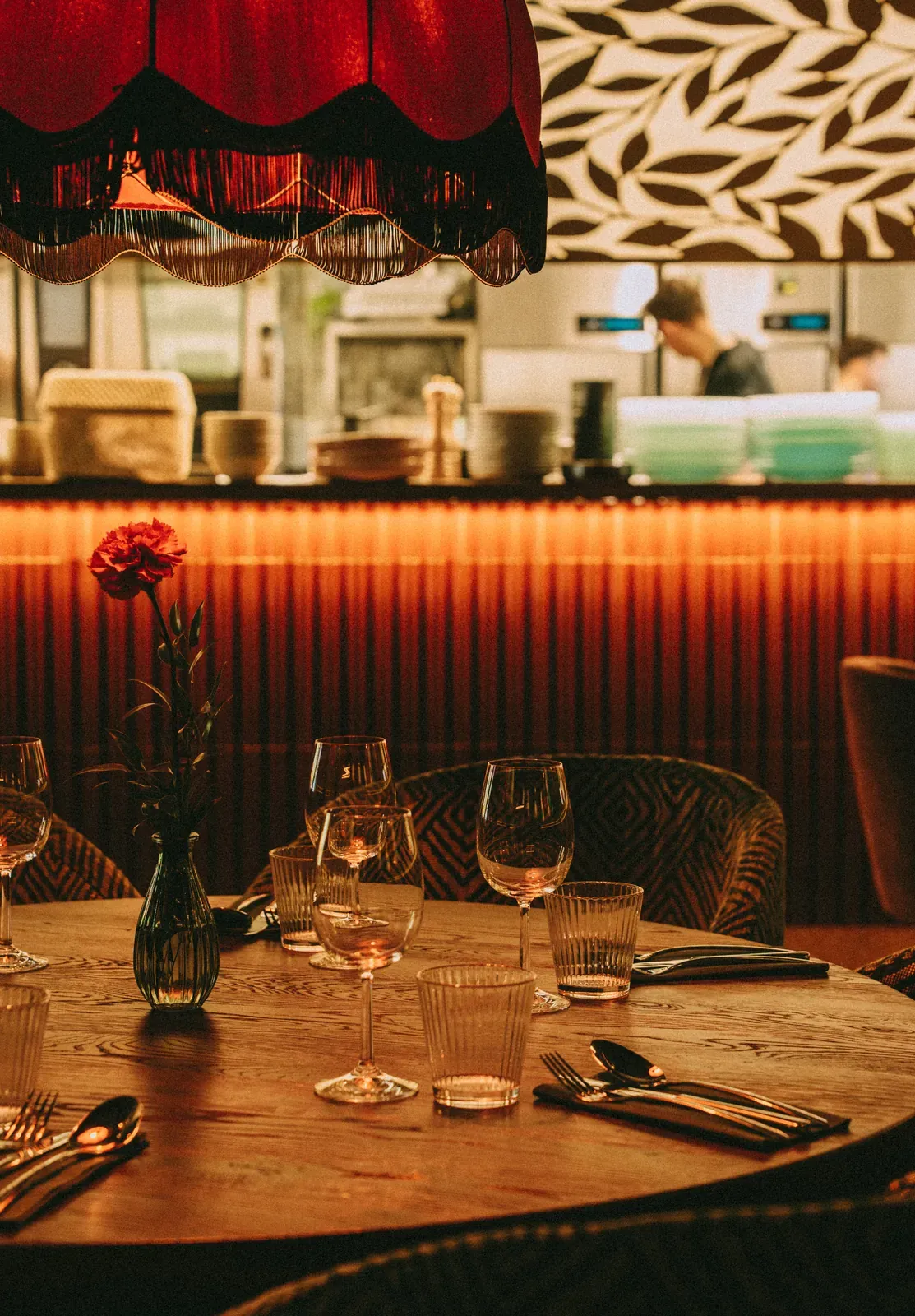
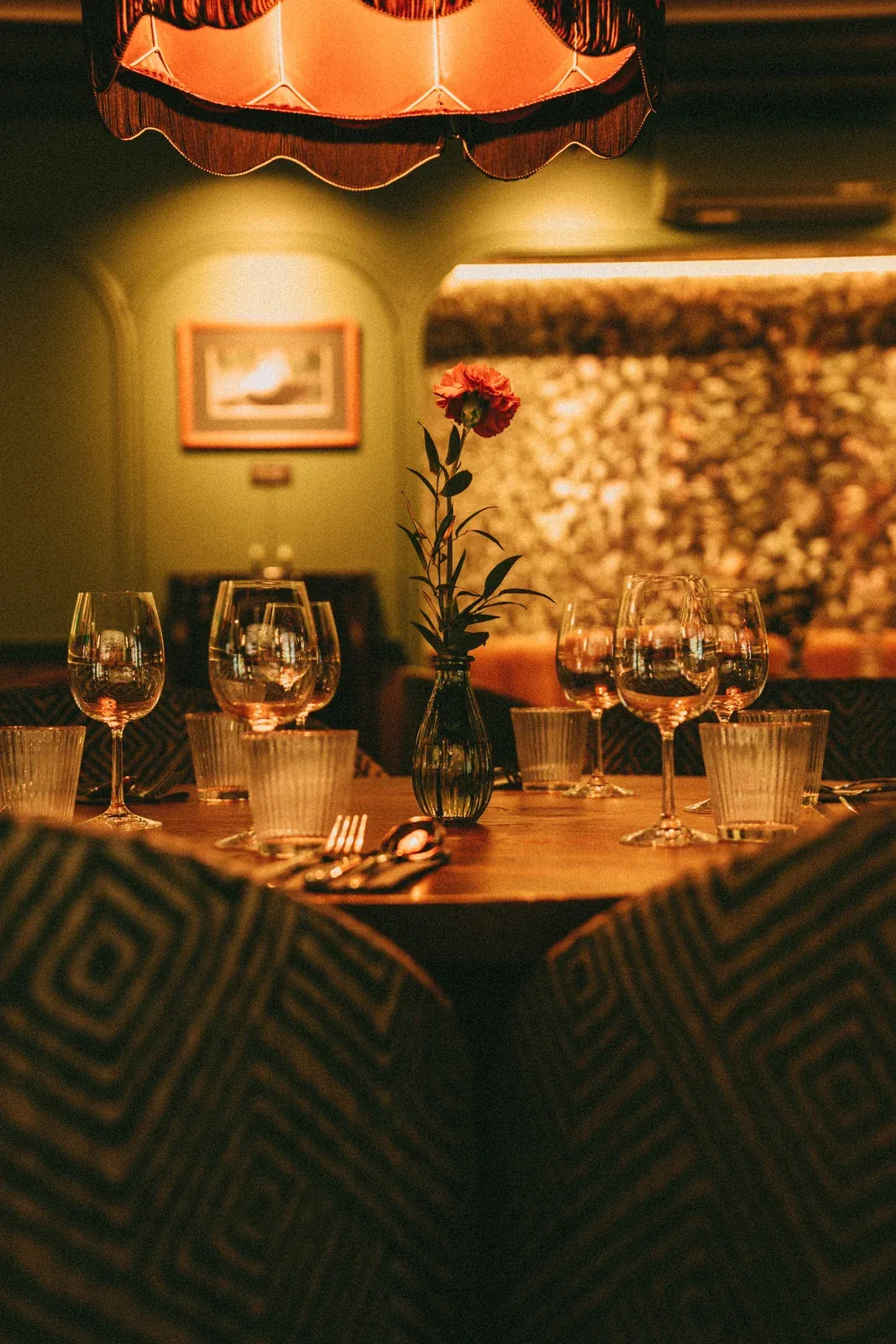
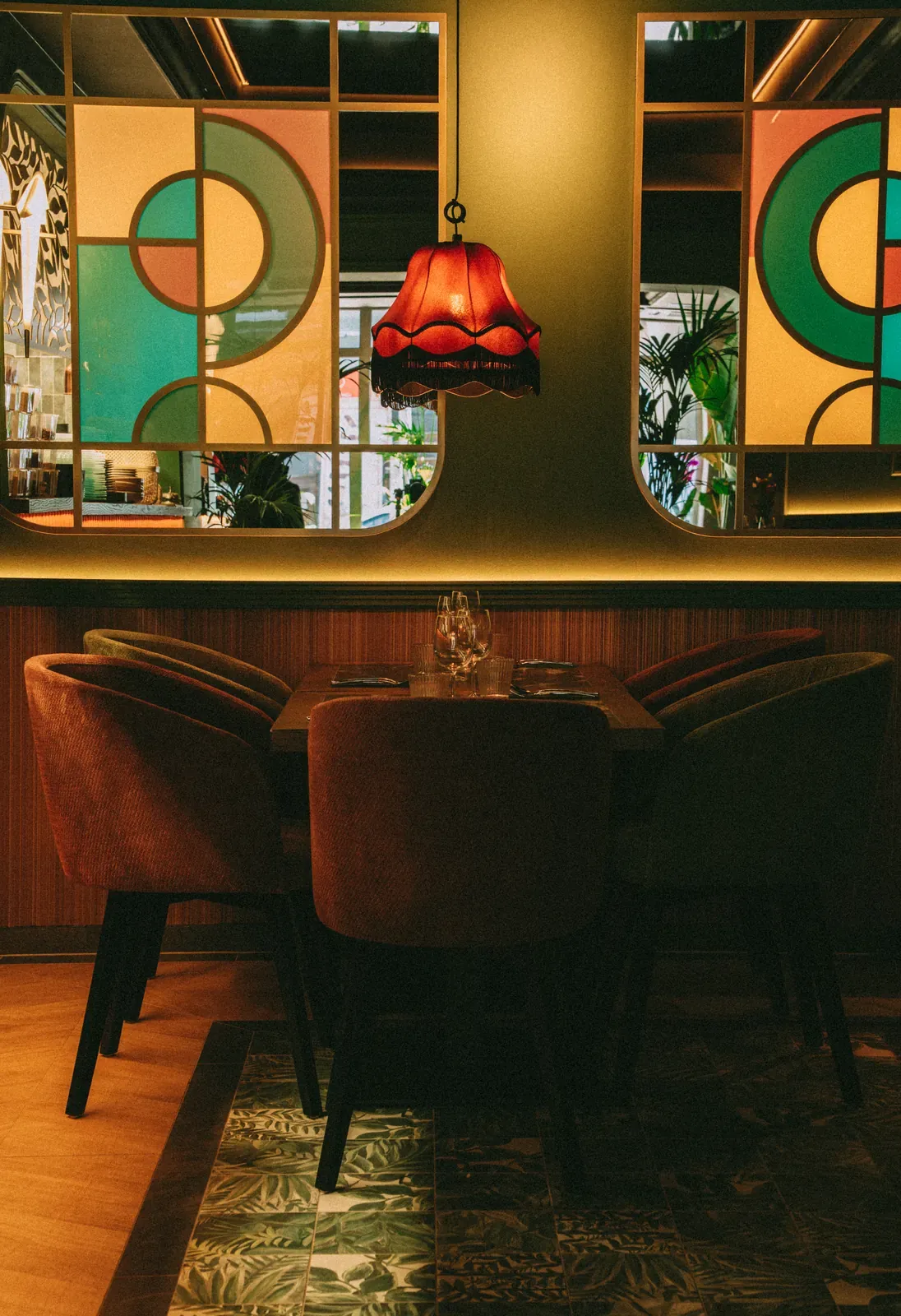
Restbotanica at Panewnicka 66 opened in May 2026. Before we sewed anything at all for the whole room, the owners saw fabric samples and a furniture prototype in their own space. Only after that came the decision on PARIS in two versions, straight and curved, and on the chairs.
Scope
| Element | Details |
|---|---|
| Straight sofa | PARIS to measure, in a green cover, along the bar |
| Curved sofa | PARIS in a half round version, in a rust red cover, in the corner of the room |
| Chairs | upholstered, in a patterned fabric |
| Fabric | Vinci from Fabb, a checked weave with a mottled effect |
| Process | samples and a prototype before the decision to produce |
We started with a prototype, not with an order
A fabric colour on a screen looks different from the same colour in the light of that particular room, at a given time of day and under a given light. The prototype also makes it possible to check what no photograph shows: the comfort of the seat, the height of the back and how the piece looks beside what already stands in the space.
We repeat this order of work on every larger hospitality project.
| Step | What happens |
|---|---|
| 1 | a conversation about the layout, the number of seats and the character of the venue |
| 2 | proposed models and fabric samples, chosen for colour, texture and abrasion resistance |
| 3 | a prototype the customer sees and tries in their own space |
| 4 | once the prototype is approved everything goes into production, and we install |
It takes longer than ordering a finished model. In return it removes the risk of a mistake spread across the whole room, not only over one piece.
At Restbotanica the process led to a decision nobody had planned at the start: instead of one universal solution there were two versions of the same sofa.
Three covers in one room
The sofa along the bar went in green. The corner sofa, the curved one, in rust red. The chairs got a patterned fabric.
Three different finishes in one space are easy to get wrong, so one thing holds them together: they all come from the same family of materials and share a texture. The room therefore reads as composed, not as assembled from whatever happened to be available.
The decision on three covers came after the samples had been seen on site, beside the plants in the window and the green wall that was already there. From a catalogue it would probably have ended as one colour for everything.
The curved sofa has a bent frame
The half round version differs from the straight one in more than the shape of the cover. The frame is bent, so that the seat keeps its comfort and the cover lies evenly along the whole curve.
The corner of a room is the place that, with straight furniture, either stays empty or forces two sofas to be set corner to corner. A rounded shape puts it fully to use. Curves and rounded shapes we price with a supplement agreed individually, because every such construction needs its own pattern.
The fabric Vinci from Fabb
The choice fell on Vinci from Fabb, a fabric with a finely patterned texture that comes from a particular checked weave. The gentle mottled effect gives it depth, so the surface does not look flat under spot lighting.
A material for a restaurant has to survive spilt drinks and daily use over many hours without quickly losing its looks. Every fabric we propose for serving venues has at least 40 000 Martindale, and most of our range sits above 100 000.
With the curved sofa one more criterion came in: how the material lies on the curve. A fabric that looks good on a straight run can wrinkle on a curve.
Chairs in a restaurant work differently from chairs at home
Frequent moving, stacking during the clear up, contact with clothing and spilt drinks. When we choose a model we look at the solidity of the construction and how easy the cover is to clean, not only at the silhouette.
Chairs and tables we make in 7 to 14 working days, faster than sofas sewn to measure, where the deadline is four to six weeks from the moment payment is registered. On a combined order the finished parts wait with us until everything is complete.
See it on site
You can see the result of this work at Restbotanica, Panewnicka 66 in Katowice, or in the photos below. If you are planning a room with a corner, an alcove or a curve, send us a floor plan or photos with measurements: 968 27 586.
Frequently asked questions
Do you send a prototype before the order?
On larger projects, yes. At Restbotanica the owners saw fabric samples and a furniture prototype in their own room before the decision to produce everything was taken.
Can a sofa follow a curve?
Yes. The half round version has a bent frame, so that the seat keeps its comfort along the whole length. Rounded shapes we price with a supplement agreed individually.
Can you have several cover colours in one room?
You can, and at Restbotanica there are three: green by the bar, rust red on the corner sofa and a pattern on the chairs. The coherence comes from a shared texture in the materials, not from one colour.
Which fabric was used at Restbotanica?
Vinci from Fabb, with a checked weave and a mottled effect.
How long does a project like that take?
Sofas to measure take four to six weeks from the moment payment is registered, chairs 7 to 14 working days. The prototype step comes before that, and its length depends on how quickly the customer decides.